Full Day Mt. Koya Day Tour with English Speaking Driver and Vehicle (Private)
Itinerary
The Reihokan Museum (霊宝館, Reihōkan) was built to house and preserve the religious and cultural treasures of Koyasan. The museum's entrance hall is styled after Byodoin Temple in Uji, and it has three exhibition halls for both permanent and temporary exhibitions. The museum's collection consists of thousands of religious works of art. The permanent exhibition displays statues, mandalas (paintings representing metaphysical maps of the cosmos), and various other religious tools and paintings, the most notable of which is the scroll depicting the "Reclining Image of Sakyamuni Buddha on His Last Day". Additionally, a rotating temporary exhibition displays a seasonal selection chosen from the museum's collection.
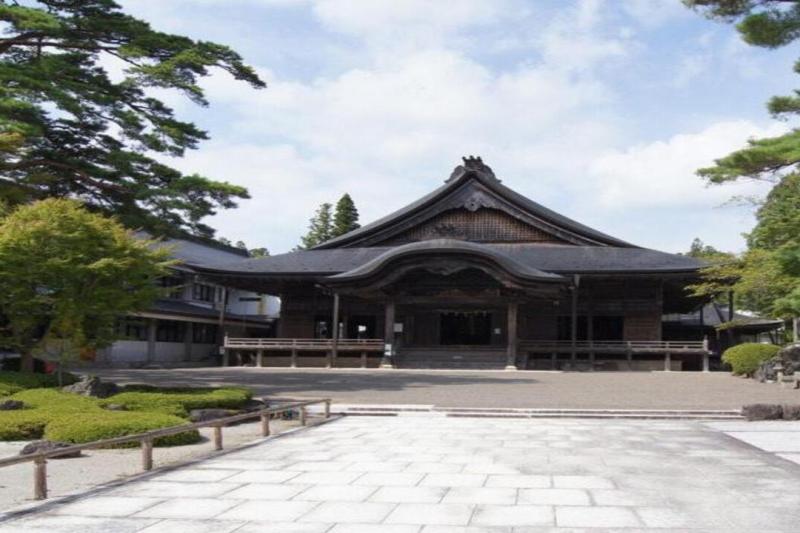
Daishi Kyokai (大師教会, Daishi Kyōkai) is the administrative center of Shingon Buddhism and is responsible for spreading the teachings of Kobo Daishi, the sect's founder. The complex consists of two buildings: Henjoden, a traditional temple hall, that was built in 1915 and is dedicated to Kobo Daishi, and a modern building for administration, lectures, and training. Visitors can participate in a few activities at Daishi Kyokai, such as receiving Buddhist precepts (jukai) or copying Buddhist scriptures (shakyo). No advance reservations are required.
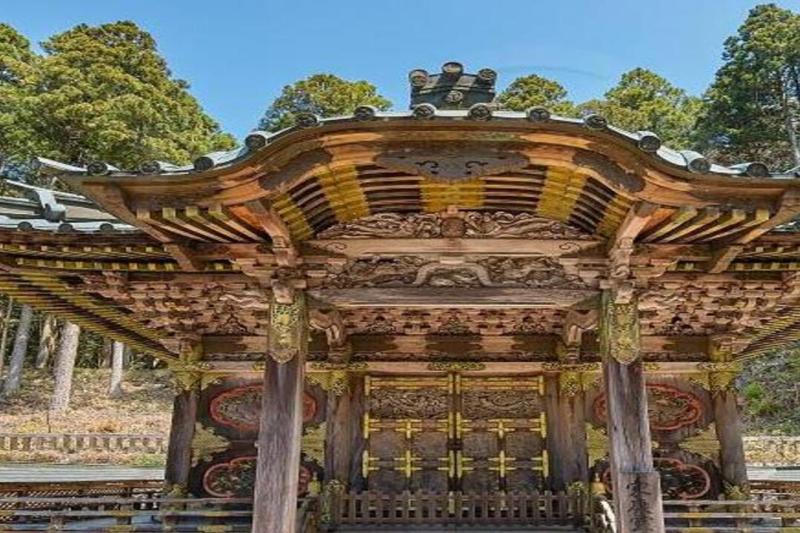
The Tokugawa Mausoleum (徳川家霊台, Tokugawa-ke Reidai) on Koyasan was built in 1643 by the third Tokugawa shogun Iemitsu in order for his family to have a mausoleum close to Kobo Daishi's mausoleum. It consists of two buildings that enshrine Iemitsu's grandfather Ieyasu and father Hidetada, the first two Tokugawa shogun. The mausoleum's two identical buildings took twenty years to be completed and were built in the extravagant style of the early Edo Period with graceful sloping roofs, rich ornamentation, intricate carvings, lacquer, and gold leaf. The two buildings stand side by side. The one on the right enshrines Ieyasu and the one on the left is Hidetada.
Return to Osaka in the comfort of a private vehicle with your English-speaking driver.
It takes about 2 hours to get back to Osaka.
included with
Customizable Tour of your choice of 3-4 sites from 'What to expect' list
Hotel Meet Up
Transportation
excluded by
Admission Fees
Lunch
Guide
Essential
Information
Should you have any inquiries, the supplier can be reached at [ 81 50-5333-6511] via phone call
For emergency contact, you may call, SMS, or WhatsApp to Vio Travel emergency line at 66 922 472 382
Cancellation Policy: From 3 days before service starts - fee of 100%
Detailed Description
This private and customizable driving tour will allow you to take in the world’s most sacred mountains without the worry of catching trains or buses. This driving tour is perfect for independent travelers who would like to take in the sites on their own. Allow your private chauffeur to take you around in comfort and style. Once your tour is done, your chauffeur will take you back to Osaka so that you can continue your travels across Japan.
If you are staying in Osaka but would like to take some time out to enjoy some sights outside the big city, then this tour of Mount Koya in Wakayama Prefecture is for you!
***Note: This tour is for independent travelers who need private transportation only. This tour does not come with a guide and you will not be able to ask for recommendations from your driver. Your driver will pick you up at your hotel in the Osaka area or your preferred location around Osaka Port. This is a tour with an English-speaking driver. It does not include a government-licensed guide. You will be able to reach your driver via phone during the tour only.
Depart from Osaka with your English-speaking driver in a private vehicle to sacred Mt. Koya! It takes about 2 hours from Osaka to Mt. Koya.
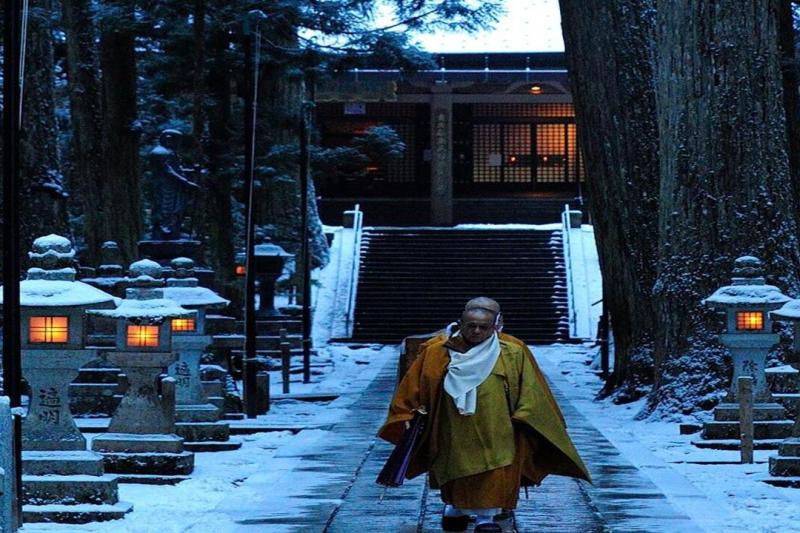
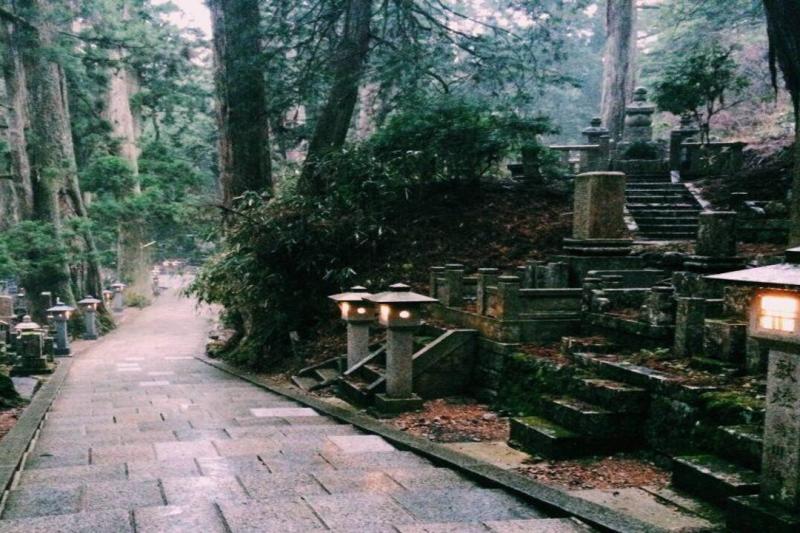
The heart of Mt. Koya. Kobo Daishi (Kukai), the founder of Shingon Buddhism and one of the most revered persons in the religious history of Japan, rests here. Also, many prominent personalities' graves line by the approach to Okunoin for several hundred meters through the forest. Your guide will explain interesting stories about those historical characters.
The main headquarters for the Shingon Sect, which has 4,000 temples throughout Japan and more than 10 million followers worldwide. Visitors can see religious artifacts, fusuma sliding door paintings, as well as a beautiful rock garden representing two dragons flying amongst the clouds.
One of the two most sacred sites in Mt. Koya. In the 9th century, Mt. Koya was founded on this very ground. At that time, Kobo Daishi held a groundbreaking ceremony and then dedicated his life to the construction of Danjo Garan. This sacred area consists of nearly twenty different structures including the magnificent Konpon Daito. Your guide will tell you the meaning of these structures.